
ForexGoldAlerts Logo
ForexGoldAlerts
Market Intelligence
Home Knowledge Hub Market Structure Investing in Gold Bullion vs Sovereign Coins: Complete Guide
Market Structure

Investing in Gold Bullion vs Sovereign Coins: Complete Guide

Julian Montgomery
Head of Algorithmic Execution
6 min read February 01, 2022
Executive Brief & Key Answer
Compare cast bars, minted ingots, and sovereign legal-tender coins to determine the most cost-effective bullion acquisition strategy.
Fact-checked & verified by Commodities Research Desk Topic: Market Structure
Investing in Gold Bullion vs Sovereign Coins: Complete Guide
Institutional Market Desk Market Structure

Key Technical Takeaways

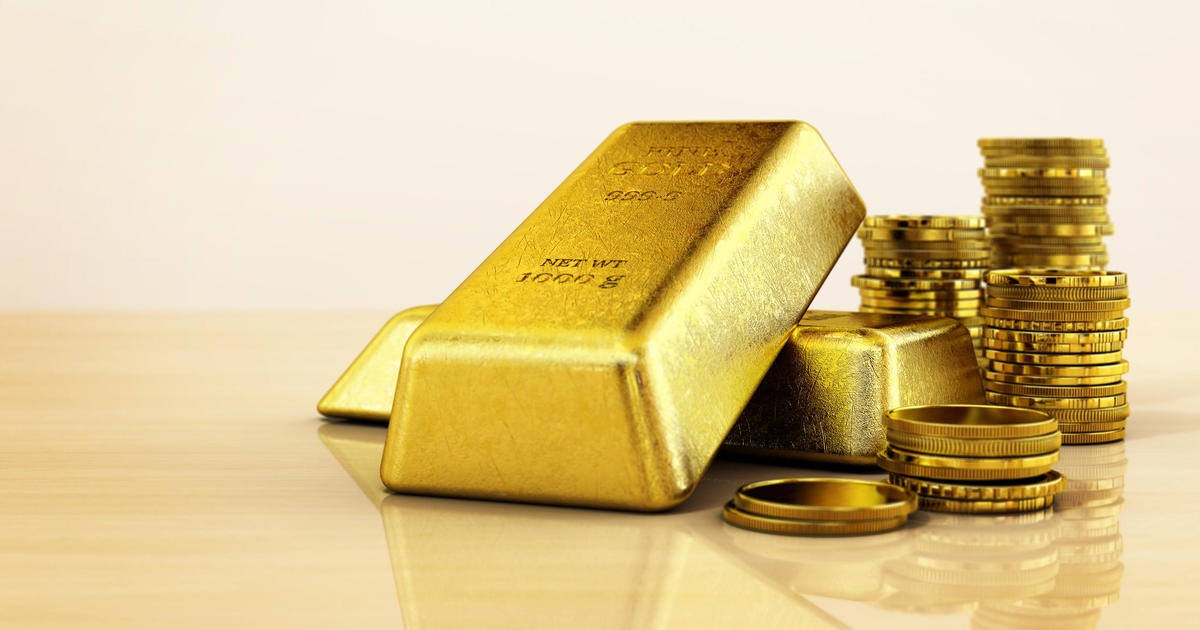
  • For large purchases, 10 oz, 100 gram, and 1-kilo bars from recognized refiners typically carry the tightest premium over spot price per ounce of metal acquired.
  • Sovereign coins carry legal-tender face value backed by an issuing government, giving them broad recognizability that speeds up resale.
  • Coins can usually be sold quickly at coin shops or bullion desks without a mandatory assay, while large bars sometimes face more scrutiny before resale.
  • The choice between bars and coins is a tradeoff between minimizing premium (bars) and maximizing liquidity and ease of resale (coins), not a question of which is objectively better.

Physical gold investors must weigh the premium over spot price against liquidity when choosing between sovereign minted coins and serialized bullion bars.

1. Bullion Bars: Maximum Metal per Dollar

For large capital deployments ($50,000+), 10 oz, 100 gram, and 1-kilo (32.15 oz) .9999 fine gold bars provide the tightest premium over spot. Fabricated by refiners like Valcambi, PAMP Suisse, Heraeus, and the Perth Mint, each bar features unique serial numbering and tamper-evident assay packaging.

2. Sovereign Coins: Universal Recognition & Legal Tender

Sovereign coins carry face value backed by issuing governments. Their universal recognizability allows for rapid verification and sale at coin shops, pawn brokers, and precious metals desks worldwide without mandatory assay delays.

Frequently Asked Questions

Generally yes, on a premium-per-ounce basis, since larger bars from recognized refiners carry a tighter markup over spot price than minted coins, which price in their legal-tender status and easier resale.

Sovereign coins are usually easier and faster to sell, since their standardized, widely recognized design lets buyers verify authenticity without the assay delays sometimes required for large bars.

Julian Montgomery

VERIFIED AUTHOR

Head of Algorithmic Execution

Julian Montgomery has worked extensively in precious metals trading, technical orderflow, and risk modeling. Every guide is reviewed for real-world trading relevance and mathematical consistency before publication.

Recommended Next Guides

Market Structure

The Correlation Between the US Dollar Index (DXY) and Precious Metals

Gold and the Dollar Index usually move inversely, but the relationship breaks down more often than traders expect. Here's when to trust it and when to ignore it.

Julian Montgomery 6 min read
Market Structure

Trading Gold During Non-Farm Payrolls (NFP): A Volatility Playbook

NFP releases can move gold 100+ points in the first minute. A practical framework for deciding whether to trade the number itself or wait it out.

Kaito Tanaka 7 min read
Market Structure

Identifying Fakeouts and Liquidity Grabs in Gold Asian Trading Sessions

The Asian session's thin liquidity produces gold price moves that look like breakouts but frequently reverse once London opens. How to tell the difference in advance.

Julian Montgomery 8 min read
CFTC Rule 4.41 & Risk Disclosure Regulatory Notice

CFTC Rule 4.41 & Risk Disclosure: Hypothetical or simulated performance results have certain inherent limitations. Unlike an actual performance record, simulated results do not represent actual trading. Also, since the trades have not actually been executed, the results may have under-or-over compensated for the impact, if any, of certain market factors, such as lack of liquidity. Trading forex and commodities on margin carries a high level of risk and may not be suitable for all investors.